
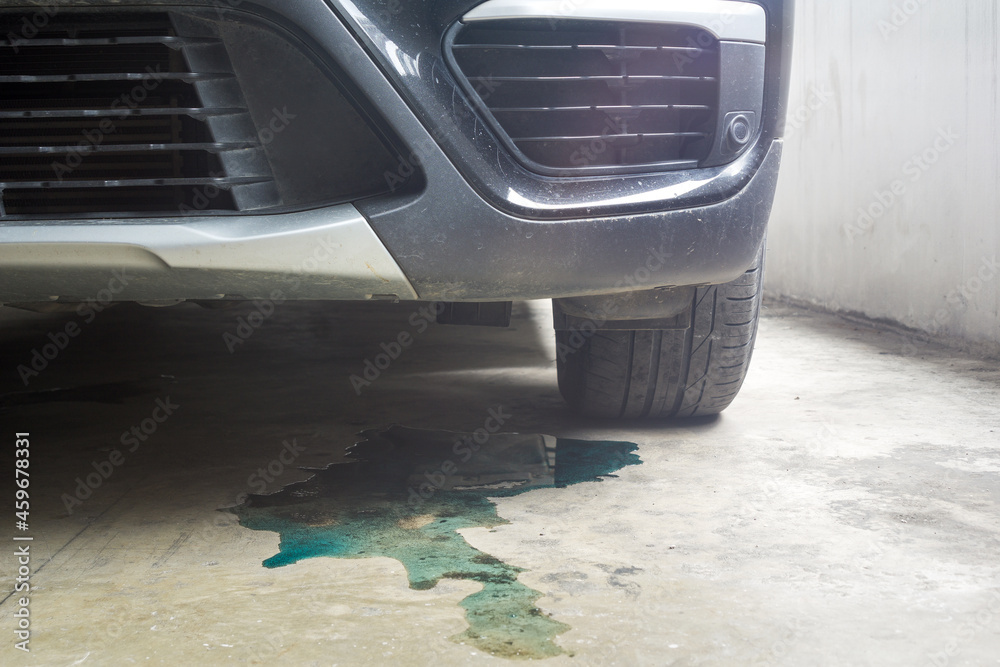
Your vehicle is an incredibly complex machine that relies on thousands of moving parts working in perfect harmony. Many of those components depend on specialized fluids to function properly.
And yes – those fluids are supposed to stay inside your vehicle.
If you’ve noticed a strange puddle forming beneath your car in your driveway in Overland Park or anywhere around Kansas City, don’t panic. Below, we’ll break down the most common automotive fluids, how to identify them, and what it means if they start leaking.
Engine Oil Leak
What It Does
Oil is the lifeblood of your engine. It lubricates moving parts, reduces friction, regulates heat, and collects internal debris.
What It Looks Like
Fresh oil is amber and smooth, similar to olive oil. Over time, it becomes dark and sludgy. If leaking onto a hot surface, it may produce a burnt smell.
What It Means If It’s Leaking
Oil leaks typically appear toward the front of the vehicle. Common causes include loose drain plugs, worn gaskets, or aging seals. Most oil leaks are affordable and straightforward to repair. However, major leaks could indicate serious internal damage.
If you suspect an oil leak, it’s smart to schedule service in Overland Park before minor issues become major repairs.
Coolant Leak
What It Does
Coolant regulates engine temperature and prevents overheating.
What It Looks Like
It may appear green, red, blue, or pink depending on the formula. It often has a sweet smell.
What It Means If It’s Leaking
Leaks often come from hoses, radiators, or worn gaskets. A damaged radiator or heater core may also be responsible. Overheating can cause severe engine damage, so coolant leaks should be addressed quickly.

A/C Refrigerant Leak
What It Does
Refrigerant removes heat from your cabin, enabling air conditioning.
What It Looks Like
It’s colorless and difficult to see without special detection dye.
What It Means If It’s Leaking
If your A/C stops blowing cold or makes unusual noises, you may have a refrigerant leak. This requires professional diagnosis.
Windshield Washer Fluid Leak
What It Does
Helps clear snow, ice, dirt, and bugs from your windshield.
What It Looks Like
Usually bluish and watery.
What It Means If It’s Leaking
This is typically caused by a cracked reservoir or loose hose. It’s not urgent but should still be repaired.
Transmission Fluid Leak
What It Does
Lubricates and protects your transmission components.
What It Looks Like
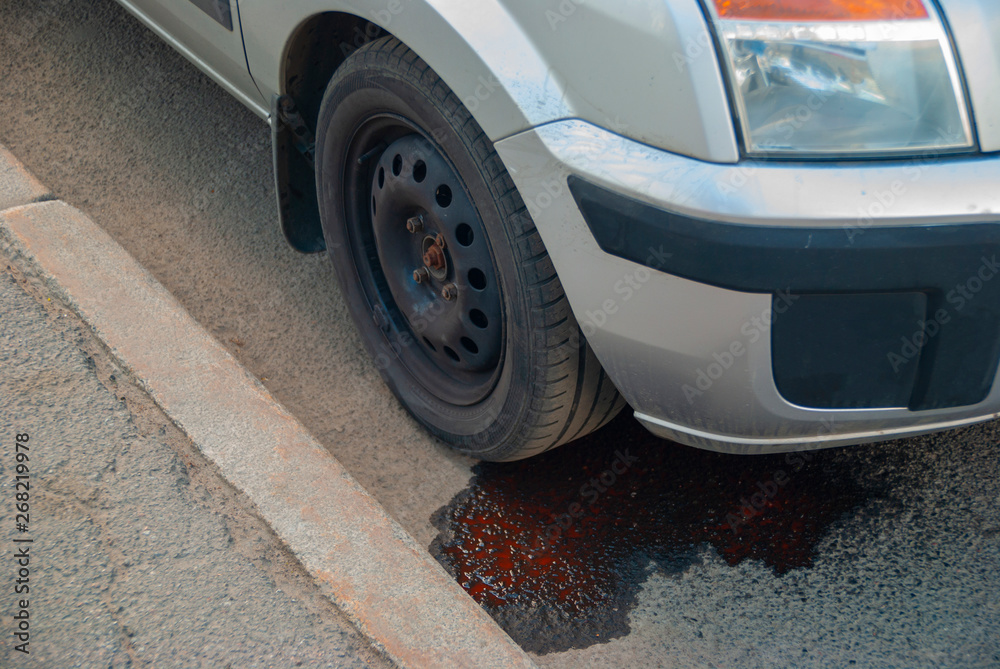
Fresh fluid is reddish and translucent. Older fluid becomes dark brown.
What It Means If It’s Leaking
Leaks may occur near the transmission pan or lines. If accompanied by gear slipping, grinding, or delayed shifting, immediate service is recommended.
Differential Fluid Leak
What It Does
Lubricates gears in the differential to ensure proper power distribution to each wheel.
What It Looks Like
Thicker than engine oil and darkens over time.
What It Means If It’s Leaking
If leaking near the center of the vehicle and you notice unusual handling or tire skipping during turns, it may be differential oil.
Brake Fluid Leak
What It Does
Maintains hydraulic pressure in the braking system.
What It Looks Like
Clear to yellowish and slightly thick.
What It Means If It’s Leaking
Brake fluid leaks may appear near wheels or along brake lines. Symptoms include reduced stopping power or a spongy brake pedal. Do not drive the vehicle under these conditions.
Power Steering Fluid Leak
What It Does
Creates hydraulic pressure for easier steering.
What It Looks Like
Usually clear with red or yellow tint.
What It Means If It’s Leaking
A stiff steering wheel or whining noise may indicate a leak in hoses or seals.
Clutch Fluid Leak (Manual Transmission Vehicles)
What It Does
Provides hydraulic pressure for smooth gear shifting.
What It Means If It’s Leaking
You may experience difficulty shifting or grinding noises. Clutch service may be required.
Gasoline Leak
What It Does
Fuel powers your vehicle.
What It Looks Like
Clear with a yellow tint and strong odor.
What It Means If It’s Leaking
Fuel leaks are serious and potentially dangerous. Damaged fuel lines or tanks require immediate professional attention.
Water Dripping Under Your Car
If you notice clear water dripping and your A/C is running, this is normal condensation draining from the system.
However, if water is leaking inside the vehicle, you may need A/C system repair.
Schedule Car Repair Near Kansas City Today
If you’ve noticed a mystery fluid on your driveway, don’t delay service. The certified technicians at McCarthy Honda in Overland Park proudly serve drivers from Kansas City, Olathe, Lenexa, Shawnee, and surrounding areas.
Call (913) 648-5400 or schedule car repair online today.
Be sure to ask about current service specials available in Overland Park.
Frequently Asked Questions About Car Fluid Leaks
How do I know what fluid is leaking from my car?
The best way to identify a leak is by checking the color, texture, and smell. Engine oil is dark and slippery, coolant is brightly colored and sweet-smelling, and transmission fluid is usually reddish. If you’re unsure, it’s safest to schedule a professional inspection.
Is it safe to drive with a fluid leak?
It depends on the fluid. A small washer fluid leak is not urgent, but brake fluid, coolant, transmission fluid, or gasoline leaks should be addressed immediately. Driving with these leaks can cause serious mechanical damage or safety risks.
Why is there water dripping under my car?
If your air conditioning is running, clear water dripping underneath your vehicle is normal condensation. However, if you notice water inside the cabin, you may need A/C service.
What should I do if I see a puddle under my vehicle in Overland Park?
If you notice fluid collecting in your driveway, the safest step is to have it inspected by certified technicians. The service team at McCarthy Honda in Overland Park can quickly diagnose and repair leaks before they become costly problems.
How much does it cost to fix a car fluid leak?
Repair costs vary depending on the type of leak. Minor gasket or hose replacements are typically affordable, while major system repairs may cost more. A professional inspection will determine the exact issue and estimate.


