

Honda CR-V vs Hyundai Tucson
Honda CR-V vs Hyundai Tucson
Compare two well-known compact SUVs side by side and review the differences in efficiency, cargo room, cabin technology, towing capability, comfort, and everyday usability. If you are deciding between the Honda CR-V and Hyundai Tucson, this guide highlights the key details so you can better understand how each SUV fits different priorities.
Honda CR-V vs. Hyundai Tucson Overview
The Honda CR-V and Hyundai Tucson are both popular choices for drivers shopping in the compact SUV segment. Each model aims to blend daily comfort, passenger flexibility, modern technology, and practical utility into one easy-to-live-with package. For many shoppers, that means narrowing the decision down to the details that matter most, such as cargo space, fuel economy, touchscreen features, ride quality, and overall long-term value.
The Tucson makes a strong impression with bold styling, a large available touchscreen layout, and impressive interior volume in the source material you provided. The Honda CR-V counters with a more straightforward and highly practical approach, strong fuel efficiency, responsive turbocharged power, and a cabin that has helped make it one of the most respected compact SUVs on the market. When looked at side by side, the CR-V continues to stand out as a very complete all-around vehicle for everyday driving.
At McCarthy Honda, we know many buyers comparing these SUVs want real-world usefulness more than flashy talking points. That is why the CR-V remains such a strong option. It brings together comfort, practicality, flexible cargo room, and a smart feature set in a way that feels easy to appreciate both on a test drive and over time.
Continue your search with our Honda CR-V inventory, browse the wider new Honda inventory, or visit McCarthy Honda to explore current Honda SUV options.
This page is also structured to support strong search visibility through clear headings, model-specific comparison content, natural internal linking, and structured data that helps search engines better understand the page.
See Both Compact SUVs Side by Side
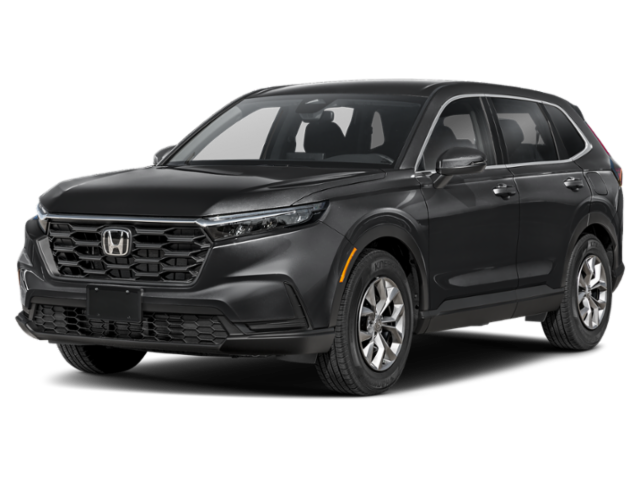
Honda CR-V
A practical compact SUV with a 190-horsepower turbocharged engine, strong fuel economy, flexible cargo capacity, and a reputation for balanced everyday driving.
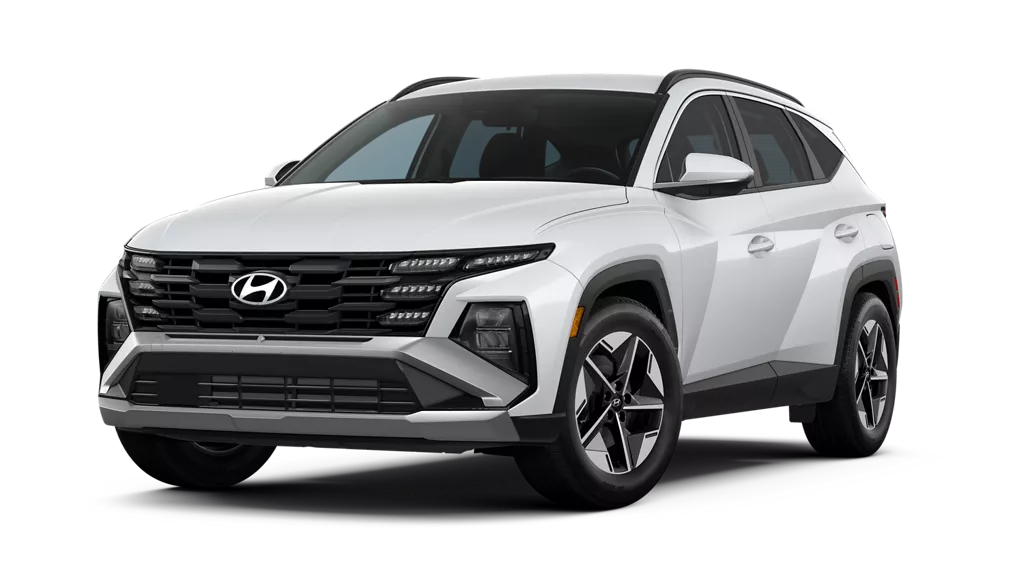
Hyundai Tucson
A compact SUV competitor with bold design, a larger standard touchscreen in the provided source, generous interior volume, and stronger towing capacity.
Honda CR-V Highlights
- 190-horsepower turbocharged inline 4-cylinder engine
- Up to 28 city / 34 highway / 30 combined MPG in your source
- Available all-wheel drive
- Comfortable seating for up to 5 passengers
- Up to 76.5 cubic feet of cargo room
- Available Google built-in and upgraded premium audio options
Hyundai Tucson Highlights
- 187-horsepower 2.5-liter inline 4-cylinder engine
- Up to 25 city / 33 highway / 28 combined MPG in your source
- Available all-wheel drive
- Up to 80.3 cubic feet of cargo room
- 12.3-inch touchscreen listed in the provided comparison
- Up to 2,500 pounds of towing capacity
Both models make a strong case in this segment, but the CR-V continues to appeal to buyers who want a very balanced package without overcomplicating the ownership experience. The Tucson offers more cargo volume and towing capacity in the source data, but the CR-V answers with more horsepower, higher fuel economy, and the kind of practical all-around execution that has kept it near the top of the compact SUV class.
Power, Fuel Economy, and Everyday Driving Feel
Performance differences between these SUVs are subtle on paper but important in real-world driving. The Honda CR-V uses a turbocharged inline 4-cylinder engine producing 190 horsepower and 179 lb-ft of torque, while the Hyundai Tucson uses a 2.5-liter inline 4-cylinder producing 187 horsepower and 178 lb-ft of torque. That gives the CR-V a slight edge in output, and your source content also notes that the CR-V accelerates quicker than the Tucson.
Fuel economy is another area where the CR-V makes a compelling argument. Based on the source data you shared, the CR-V can achieve up to 28 mpg in the city, 34 mpg on the highway, and 30 mpg combined, while the Tucson is listed at up to 25 city, 33 highway, and 28 combined. That difference may matter to drivers who spend a lot of time commuting, traveling, or simply want to maximize efficiency over the long term.
The Tucson does hold an advantage in towing capacity, with up to 2,500 pounds compared with 1,500 pounds for the CR-V in your provided information. For shoppers who plan to tow small trailers or extra gear more regularly, that can be a meaningful distinction. However, many compact SUV buyers prioritize daily comfort, road manners, and fuel economy more often than towing, and that is where the CR-V remains especially appealing.
Overall, the CR-V stands out as the more efficiency-focused and well-rounded choice for buyers who want a compact SUV that feels responsive and economical in everyday use.
Passenger Room, Cargo Capacity, and Cabin Practicality
Interior space is one of the biggest reasons shoppers compare compact SUVs so closely, and the Tucson and CR-V are both strong contenders here. In the source data provided, the Tucson shows more passenger volume and cargo volume, including 40.3 cubic feet of cargo room with the second row up and 80.3 cubic feet with the second row folded, compared with 39.3 and 76.5 cubic feet for the CR-V. That makes the Tucson a notable option for drivers prioritizing maximum cabin size.
Even so, the CR-V remains highly competitive and very practical. It still offers generous cargo room, comfortable seating for five, and a cabin layout that feels easy to use. For many buyers, the difference is not just about the number on the spec sheet but about how the vehicle feels in daily life. The CR-V has long earned praise because it turns its interior space into a very usable and comfortable experience rather than simply chasing larger figures.
The source content also shows that second-row legroom is very close between the two models, and first-row legroom is similarly competitive. That means both SUVs are well-suited to drivers who want room for passengers without moving into a larger segment. In practical terms, the Tucson may have the edge in total volume, while the CR-V still delivers the kind of cabin comfort and cargo flexibility that many compact SUV shoppers want most.
For buyers who want a balance of space and simplicity, the Honda CR-V remains one of the strongest options in the class.
Touchscreens, Features, and Everyday Convenience
Technology is one of the clearest contrast points in the source content you shared. The Hyundai Tucson is positioned strongly around its 12.3-inch touchscreen display, available digital features, and an extensive list of convenience items. That helps give it a very modern feature story, especially for buyers who place a premium on larger screens and extra available gadgets.
The Honda CR-V takes a more practical and layered approach. In the source material, it is listed with a 9-inch touchscreen and available Google built-in, along with a range of audio upgrades that include Bose premium sound on higher trims. Wireless Apple CarPlay and Android Auto are also part of the conversation, helping the CR-V stay very relevant for buyers who want easy smartphone integration.
In the safety category, both vehicles are described as strong performers, and the provided comparison notes that both have earned multiple IIHS Top Safety Pick recognitions. The Tucson is highlighted with several standard driver-assist features, while the CR-V continues to appeal with responsive safety support and the overall confidence that comes from its straightforward, user-friendly design.
For many drivers, the decision here may come down to whether they prefer the Tucson's tech-heavy presentation or the CR-V's more practical and balanced approach. Buyers who want useful technology without sacrificing ease of use may find the CR-V especially attractive.
Side-by-Side Key Specs
| Feature | Honda CR-V | Hyundai Tucson |
|---|---|---|
| Engine | Turbocharged inline 4-cylinder | 2.5-liter inline 4-cylinder |
| Horsepower | 190 hp @ 6,000 rpm | 187 hp @ 6,100 rpm |
| Torque | 179 lb-ft @ 1,700-5,000 rpm | 178 lb-ft @ 4,000 rpm |
| Max Towing | 1,500 lbs | 2,500 lbs |
| EPA Mileage Rating | 28 / 34 / 30 | 25 / 33 / 28 |
| Wheelbase | 106.3 inches | 108.5 inches |
| Length | 184.8 inches | 182.7 inches |
| Passenger Volume | 106.0 cubic feet | 108.2 cubic feet |
| Cargo Volume Seats Up | 39.3 cubic feet | 40.3 cubic feet |
| Cargo Volume Seats Down | 76.5 cubic feet | 80.3 cubic feet |
| Touchscreen | 9-inch | 12.3-inch |
| Speakers | 4 standard | 6 standard |
The specs show that these SUVs are closely matched in several ways, but they prioritize different strengths. The Tucson leads in some size and towing figures, while the CR-V holds the edge in horsepower and fuel economy in the source data. For many buyers, the CR-V's stronger balance of efficiency, responsive performance, and practical execution will be what stands out most.
Why Shop McCarthy Honda for a Honda CR-V
If the Honda CR-V is on your shortlist, McCarthy Honda can help you compare trims, review current inventory, and determine which model best matches your needs. Whether you are focused on fuel economy, comfort, technology, cargo flexibility, or all-around practicality, the CR-V remains one of the most compelling compact SUVs to see in person.
McCarthy Honda offers new and used Honda vehicles along with service and parts support, making it easier to shop and maintain your vehicle with one local team. For many buyers, the CR-V's greatest advantage is how complete it feels as an everyday SUV. It is efficient, practical, comfortable, and easy to live with, which is exactly what many compact SUV shoppers are looking for.
Start with our Honda CR-V inventory, browse our new Honda lineup, or visit McCarthy Honda for more information about current availability and SUV options.
Explore the Honda CR-V at McCarthy Honda
Compare trims, review current inventory, and take the next step with a compact SUV built for everyday life.
Honda CR-V vs. Hyundai Tucson FAQs
What is the main difference between the Honda CR-V and Hyundai Tucson?
The Honda CR-V emphasizes balanced everyday practicality, stronger fuel economy, and responsive turbocharged performance, while the Hyundai Tucson emphasizes larger interior dimensions in the provided source, a larger touchscreen, and stronger towing capacity.
Which SUV has better fuel economy in the provided comparison?
Based on the provided data, the Honda CR-V has the higher EPA mileage rating at up to 28 city, 34 highway, and 30 combined, compared with 25 city, 33 highway, and 28 combined for the Hyundai Tucson.
Which SUV has more cargo space?
In the source information you provided, the Hyundai Tucson has more cargo space both with the rear seats up and with the rear seats folded, though the Honda CR-V remains highly competitive and very practical in daily use.
Which SUV has more horsepower?
The Honda CR-V has a slight horsepower advantage in the provided source, with 190 horsepower compared with 187 horsepower for the Hyundai Tucson.
Does the Honda CR-V offer all-wheel drive?
Yes. The Honda CR-V offers available all-wheel drive for drivers who want added traction and confidence.
Where can I shop for a new Honda CR-V?
You can browse the Honda CR-V inventory at McCarthy Honda and compare available trims and features online or in person.